Purpose of the Pneumatic Nut Sprinkling System
Precise topping application without damaging product structure
Control of dispensing volume and speed for consistent product quality
Increased production speed and reduced manual labor involvement
Main Components of the System
Nut Hopper
Equipped with a stainless steel tank and a pneumatic internal agitator
Pneumatic Cylinder
Provides piston movement force through compressed air (pneumatic jack)
Dispensing / Spraying Gate
Made of coated steel with anti-rust plating
Adjustable nozzle size and diameter for controlling topping volume* Interchangeable nozzles suitable for products of different sizes, with customizable guide rails as required
Pneumatic and Electronic Controller
Flow-control valve regulates air pressure, spraying direction, and dispensing speed
Advantages and Applications
Accurate and uniform nut dispensing on soft or semi-solid products
Reduced material waste and increased production line efficiency
Suitable for mass production and automated production lines
Key Operational Parameters
Air pressure and piston movement: determine dispensing speed and topping volume
Conveyor speed: synchronized with dispensing timing to prevent overflow or underfilling
Gate diameter and distance from the product: control dispensing depth and volume* Cleaning and maintenance of the pneumatic system and nozzles: prevent clogging and contamination
Pneumatic Nut Sprinkling System
(Compatible with all Hadaf Machine 4000 Series, 6000 Series, and B Series depositors
Suitable for dispensing all types of toppings such as sesame seeds, coconut powder, pistachios, mixed nut slivers, peanut slivers, and more, in adjustable quantities.)
Definition and Application
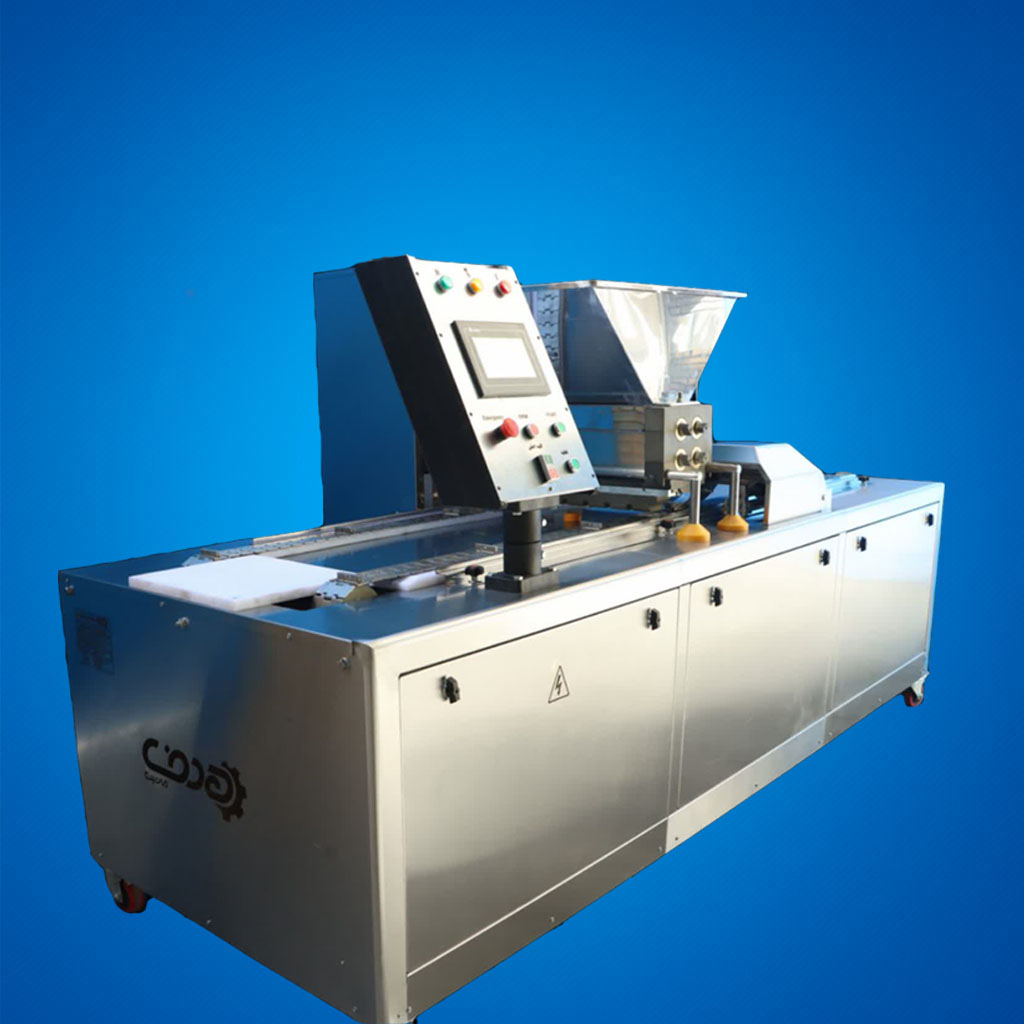
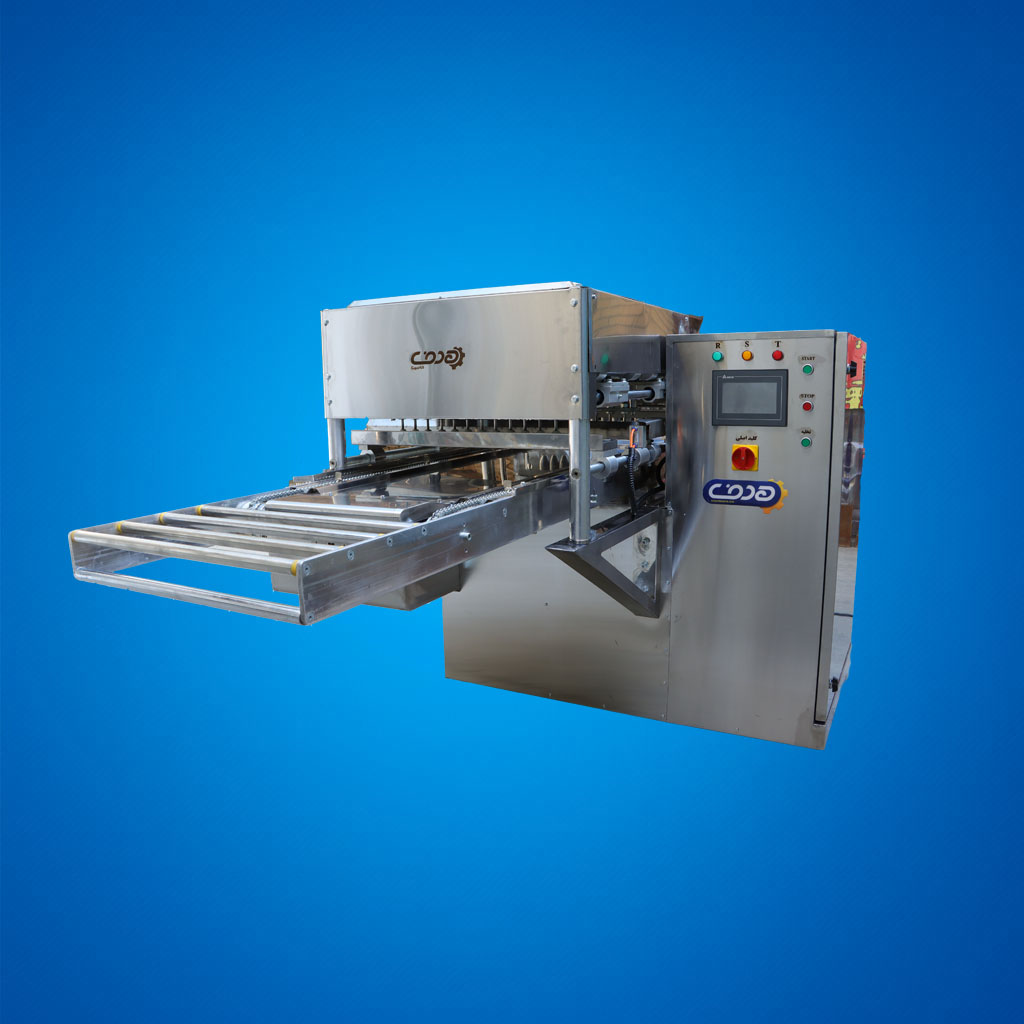
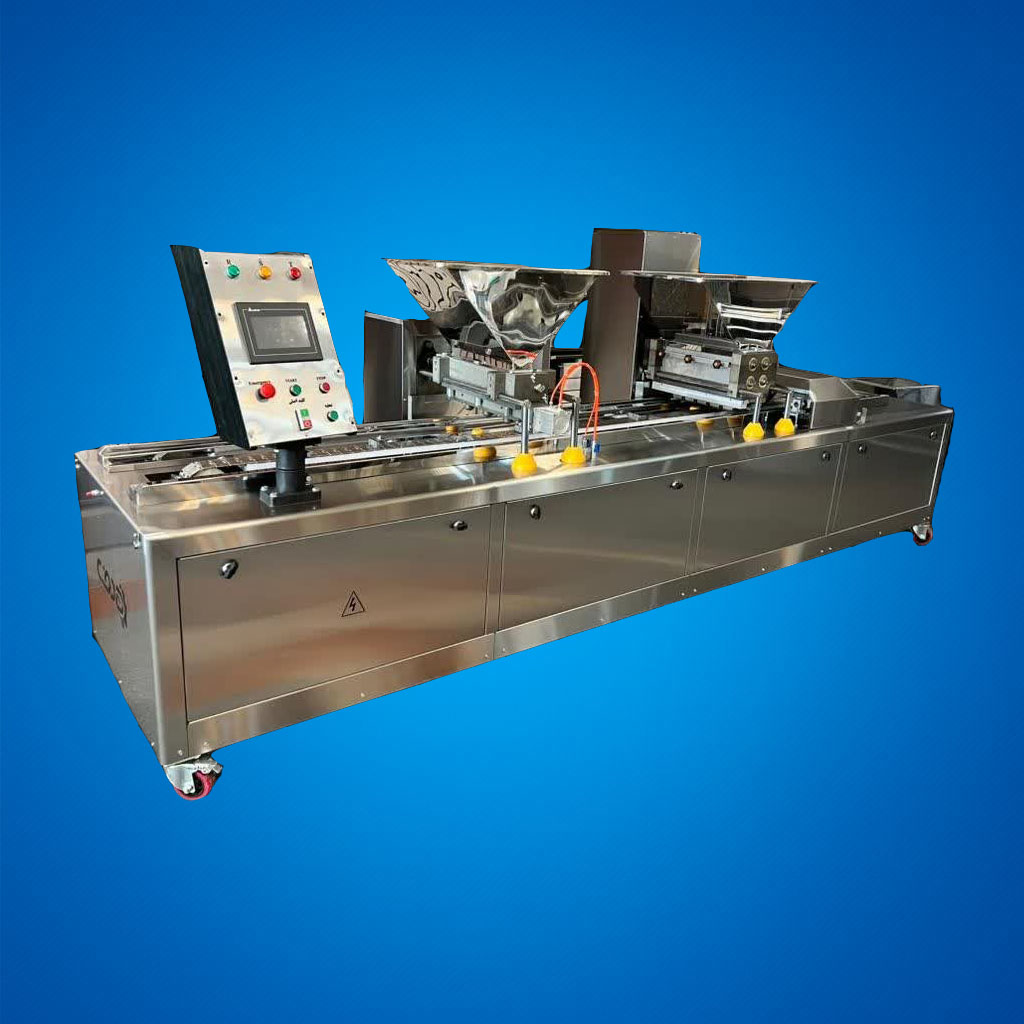
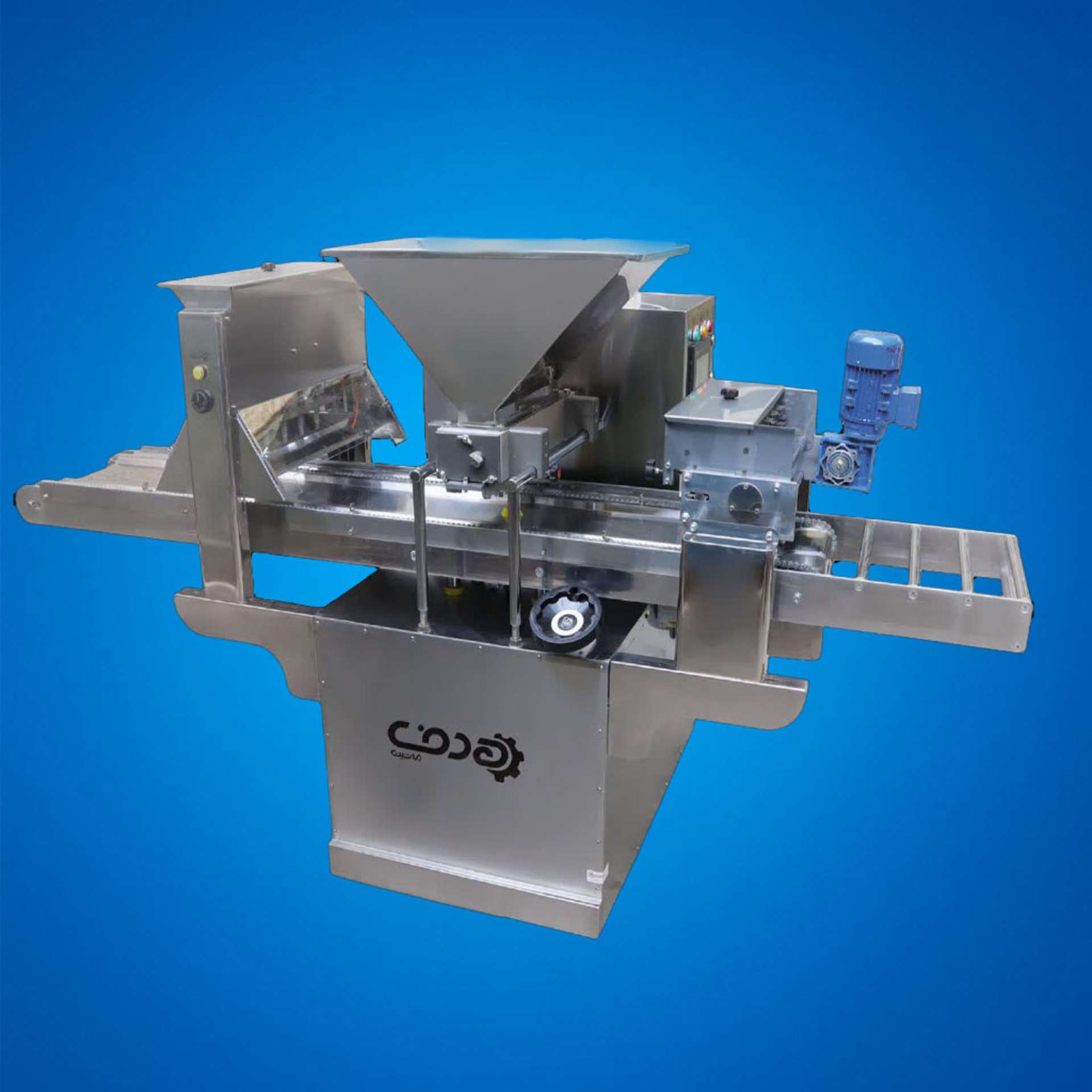
The depositor is designed to distribute confectionery materials in precise and uniform quantities
Mainly used in production lines for confectionery, chocolate, cakes, toffee, and ready-made desserts
Replaces manual depositing, improving production speed, accuracy, and consistency
Raw materials such as dough, cream, chocolate, and fillings are transferred from the hopper to the molds
Using pneumatic cylinders or precision pumps, a controlled amount of material is deposited into each mold or onto the product
The machine can handle materials with different viscosities and densities